

Vehicle Transportation Tips
Posted on: Friday, September 18th, 2026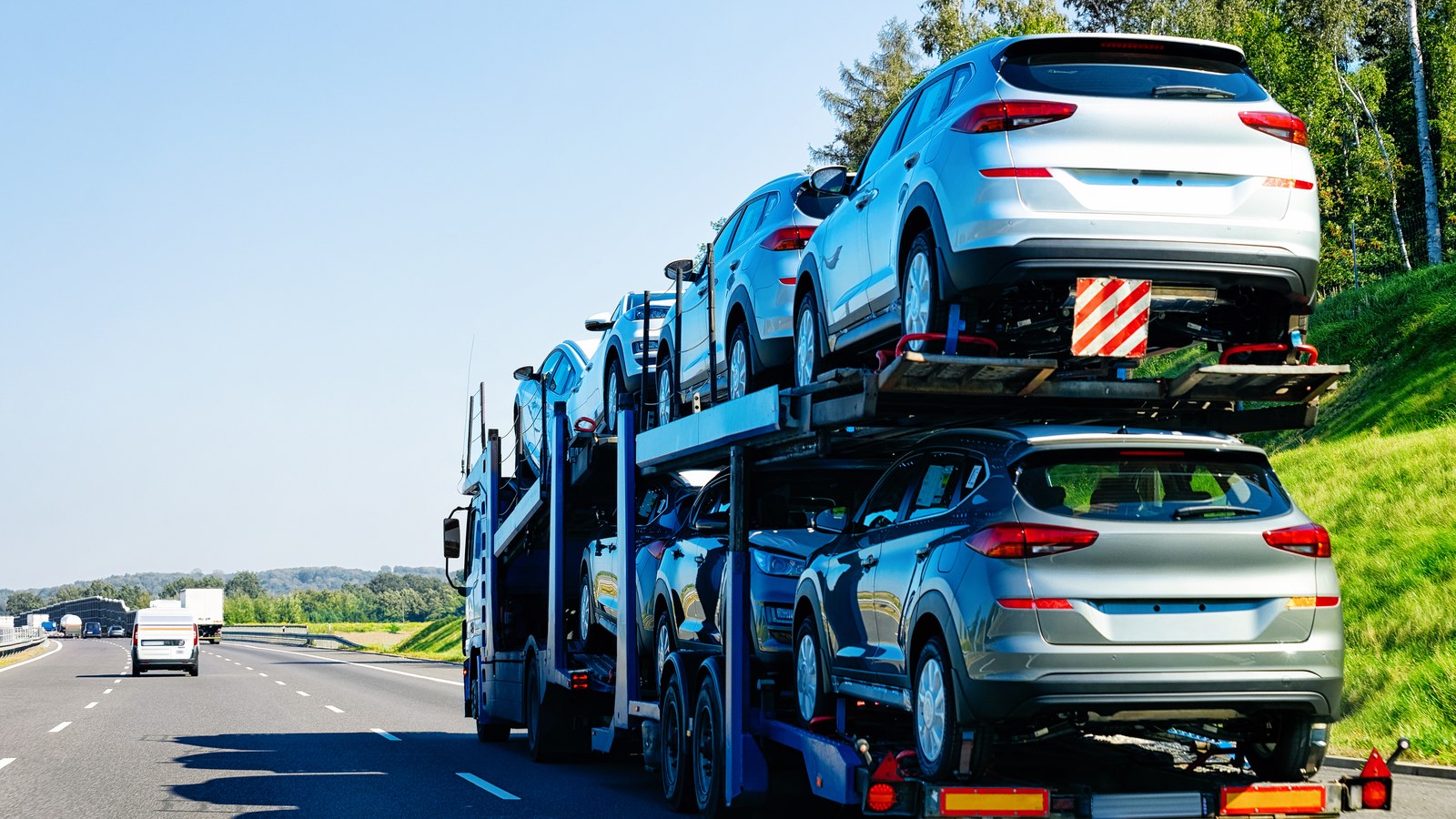
Vehicle shipping is usually the last piece of a move that gets any real planning, and it shows. Most people line up premium moving services for the truck and the packers, then think about the car only once the rest of the move is already underway, when the good carriers are booked, and the options have narrowed. A little lead time changes that. Knowing how the process actually works, from choosing a transport method to signing the paperwork at delivery, is what separates a smooth vehicle shipment from a stressful one.
Whether you're shipping a family sedan, a truck, a second vehicle, or a motorcycle, the fundamentals stay the same. Here's what matters before you hand over the keys.
Understand Your Transport Options Before Booking
Vehicle transport comes in two forms: open and enclosed. Open transport loads your vehicle onto a multi-car, open-air carrier alongside other vehicles, the same method dealers use to move inventory from manufacturers to their lots. For a standard production vehicle, it's a reliable way to travel. Enclosed transport uses a covered trailer that shields the vehicle from road debris and weather over a longer haul.
Transport Type | Typical Cost | Exposure | Best For |
Open Transport | Lower | Road debris and weather | Everyday cars and trucks in good condition |
Enclosed Transport | Higher | Fully covered | Classic, collector, or high-value vehicles |
The method should match the vehicle. Everyday cars and trucks in normal condition do fine on open transport. It's more widely available, books faster, and costs less. Collector cars and vehicles with custom finishes that would be expensive to repair are usually worth the extra cost of an enclosed trailer. If you're unsure which fits your car, get quotes on both and weigh the difference against what a repair would actually run.
Delivery format matters too. Door-to-door transport, which is what Dunmar Moving Systems provides on every vehicle shipment, means the carrier picks up at your current address and delivers straight to your destination. Some carriers instead offer terminal-to-terminal service, where you drop the vehicle at a facility and collect it from one near your destination. It can cost less, but it adds a logistics problem of its own: getting yourself to and from two terminals during an already busy week.
Prepare Your Vehicle Before Pickup
Your vehicle is going to spend the trip on a multi-car trailer, exposed to weather and road conditions, handled by people who don't know its quirks. A few steps before pickup protect both the car and your ability to file a claim if something goes wrong.
• Wash the exterior so existing scratches, chips, and dents are visible for the inspection
• Photograph every side and angle of the vehicle at pickup; these photos are your record if damage shows up later
• Keep the fuel tank at about a quarter full, enough to move it on and off the carrier without adding weight
• Remove all personal belongings from the interior; transporters aren't responsible for items left inside, and loose items can shift and cause damage
• Disable toll transponders or set them to sleep mode so they don't rack up charges in transit
• Note any existing fluid leaks on the condition report so there's no dispute about them later
Know What the Condition Report Actually Covers
Before loading, the driver completes a pre-transport condition report noting the vehicle's condition: paint chips, scratches, dents, windshield cracks, anything already there. Both of you sign it, and you'll sign a matching delivery report when the vehicle arrives.
Walk the entire vehicle with the driver before signing at pickup. If you spot damage that isn't noted, add it before you sign. Don't assume the driver caught everything; they're processing multiple vehicles on a routine, and your own eye on your own car is the more reliable check.
The pickup report is the baseline every later dispute gets measured against, so getting it right at the curb is worth more than the few extra minutes it takes.
At delivery, do the same walk-through in good light before you sign. A quick glance in a dim lot isn't a real inspection. If new damage is visible, note it on the paperwork before the driver leaves. Damage noted after the transporter has already gone is much harder to build a claim around.
Coordinate Vehicle Transport With the Rest of Your Move
Timing is where vehicle transport most often goes wrong on a larger move. The car shows up before the furniture does, or the family arrives with nothing to drive for a week. Both are avoidable when vehicle transport is planned alongside the household goods move instead of scheduled as an afterthought- the same coordination that comes up when moving large items: pianos, furniture, and vehicles all need to land on the same day.
Delivery windows vary by route, carrier schedule, and distance. Regional moves often complete in a few days, and cross-country shipments typically run one to two weeks, sometimes longer depending on the route and any shared stops. These are general ranges, not guarantees, so if your vehicle's arrival date is genuinely time-sensitive, say so when you book and ask what flexibility exists if your own dates shift.
This matters even more for military PCS moves and corporate relocations, where the schedule is set by outside deadlines rather than personal preference. Dunmar Moving Systems is a Richmond, VA-based Allied Van Lines agent that coordinates vehicle transport as part of the same move; cars, trucks, and motorcycles- so a timing adjustment on one side gets reflected on the other without a separate call to a different company. Every vehicle shipment also comes with a delivery guarantee: if the car runs late, Dunmar provides a rental car until it arrives.
Mention vehicle transport when you request your move estimate, and it gets built into the schedule and price from the start instead of tacked on later.
What to Do If Damage Occurs in Transit
Vehicle damage claims follow a process similar to household goods claims. The pickup condition report is the foundation; if delivery shows damage that wasn't on that report, note it before you sign and file with the carrier as soon as possible.
Ask about coverage before you book, not after something happens. Dunmar's vehicle transport program includes the option to add full value coverage on the vehicle itself, on top of guaranteed pricing that includes taxes and fees upfront. For high-value or specialty vehicles, it's also worth a quick call to your personal auto insurer, since some policies extend coverage during transport and can fill any remaining gap.
Keep records throughout: the signed pickup report, your photos, the signed delivery report, and any correspondence with the carrier afterward. Documentation taken at the time puts you in a much stronger position than trying to reconstruct events from memory weeks later.
Frequently Asked Questions
How long does vehicle transport take during a move?
Should I choose open or enclosed transport?
What if my vehicle is damaged during transport?
Can I leave items inside the vehicle during transport?
Related Topics: