

Packing Materials and Tools Every Mover Needs
Posted on: Tuesday, August 18th, 2026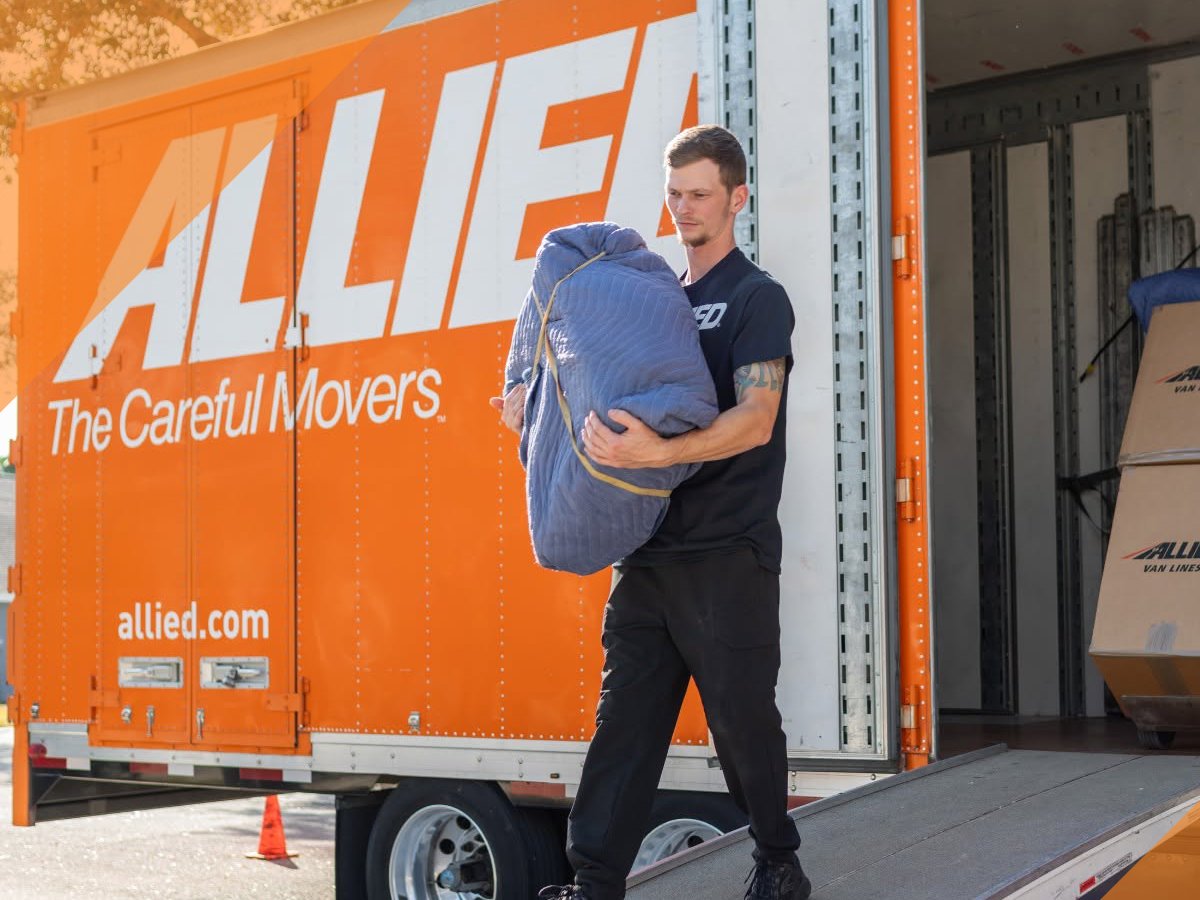
If you’ve ever opened a moving box to find something cracked or crushed, chances are the damage happened long before the truck ever left your driveway.
A dedicated moving company will tell you the same thing: most breakage traces back to how items were packed, not how they were hauled.
Boxes that aren’t filled properly tend to buckle once they’re stacked and jostled around. Fragile items wrapped in the wrong material often shift during the drive and end up cracked or dented by the time they arrive. The good news is that protecting your belongings doesn’t require pricey supplies.
What matters more is choosing materials that actually suit what you’re packing.
So if you plan to handle even part of the packing yourself, whether it’s a move across town or across the country, here’s a rundown of what you’ll want on hand before you get started, along with a quick explanation of what each item is meant to do.
Boxes: Getting the Sizes Right
Using the wrong box size is one of the most common and most avoidable packing mistakes. The principle is simple: heavy items go in small boxes, light items go in large ones. Books, tools, kitchen equipment, and anything dense belong in small boxes you can carry without straining. Loading heavy items into large boxes creates weight that buckles the cardboard and invites a back injury.
Medium boxes cover most general household items well. Large boxes are for lightweight but bulky things: pillows, comforters, lampshades, stuffed animals. Wardrobe boxes with an internal hanging bar let you transfer clothes directly from the closet without folding, which is genuinely useful for dress clothes you don’t want to iron on the other end. Dish pack boxes (double-walled boxes designed specifically for fragile kitchen items) are worth getting rather than trying to replicate their protection with standard boxes and extra paper.
Our team can advise on quantities at the estimate stage, so you’re not guessing how many you need or overbuying supplies you won’t use.
Protective Materials: What Actually Prevents Damage
Bubble wrap is the first thing most people think of, but packing paper is the real workhorse of a properly packed move. It’s what you use to individually wrap dishes, cups, glasses, and other fragile items before placing them in boxes. Crumpled packing paper also fills the void space at the top and sides of packed boxes, which prevents shifting in transit. An underfilled box is a box waiting to shift.
Furniture pads (also called moving blankets) protect large furniture pieces: dressers, headboards, table surfaces, mirrors, and anything with a finished wood or glass surface. Our crew brings these as part of the service and uses them throughout the load on every local moving job. If you’re doing any self-loading on a rented truck, renting furniture pads is worth the cost. An unprotected hardwood dresser dragged across a metal truck floor will show it.
Stretch wrap adds a protective layer for upholstered furniture, keeps dresser drawers from sliding open in transit, and protects hardware and pulls from getting snagged on other items. A couple of rolls goes a long way on a full household move.
 Sealing and Labeling Boxes Properly
 Sealing and Labeling Boxes Properly
Tape matters more than most people give it credit for. Masking tape, painter’s tape, and standard scotch tape are not box sealing tape. You need packing tape (the wide, clear variety), and a quality tape gun makes a real difference over a full day of packing. Standard boxes need tape on the bottom seam plus a reinforcing strip across the center. Heavier boxes need double tape on the bottom. Boxes that open mid-carry create real problems, and they’re entirely preventable.
Labeling each box with its destination room and a brief contents description saves time on the unloading end. If the crew knows a box is going in the kitchen, it goes in the kitchen when it comes off the truck at the destination. Boxes labeled “stuff” or left blank slow down unloading and create a puzzle during unpacking.
A waterproof marker holds up better than a regular Sharpie if boxes get rained on during loading. If anything is going into storage temporarily, labeling matters even more. You don’t want to sort through 30 unlabeled boxes six weeks later to find something you need.
Tools to Have Ready on Move Day
A few basic tools prevent the kinds of delays that slow down an otherwise well-run move day. A box cutter or scissors is easy to forget when it ends up packed at the bottom of a box. Keep one accessible throughout the whole day. A basic screwdriver and an Allen wrench set handle most furniture disassembly: bed frames, flat-pack desks, modular shelving units, crib hardware.
If you’re booking full-service moving with our team, the crew handles disassembly and reassembly. But if you’re doing partial service, having the right tools ready means the crew doesn’t spend time tracking down equipment you were expected to provide.
Plastic bags in multiple sizes are underrated for move day. Hardware from disassembled furniture, including screws, bolts, and cam locks, should go into a labeled plastic bag and be taped directly to the piece of furniture it came from. Clear bags for TV remotes, device chargers, and cables that pair with specific items prevent the frustrating post-move situation where nothing is in the right place and the right cable for anything is nowhere to be found.
This small step during packing pays off considerably when you’re unpacking. Our moving tips and resources page is also a useful reference for what to prepare before move day.
Items That Should Never Go on the Moving Truck
Hazardous materials cannot be transported on a moving truck. This is a legal and safety requirement for every professional mover. Propane tanks, paint cans, cleaning solvents, gasoline, and certain battery types need to be properly disposed of or transported separately before move day. Your move coordinator will walk you through items you should never let movers pack during the estimate process, so this doesn’t come as a surprise.
Perishable food should be consumed, donated, or discarded before the truck is loaded. Items that belong in a refrigerator or freezer won’t survive time in a warm truck, and they can leak onto other items. Plants are generally not transported on moving trucks. Extreme heat in a closed truck is survivable for almost nothing that grows in soil, and some states restrict certain plant species at state lines.
High-value or irreplaceable items, including jewelry, cash, passports, important documents, and anything with sentimental value, should travel with you in your personal vehicle For customers weighing whether to handle their own packing or use our full-service packing option, the in-home estimate is the right place to compare both approaches in terms of cost, coverage, and what each one actually includes.
Related Topics: