

How to Pack Fragile Items for a Move
Posted on: Thursday, April 9th, 2026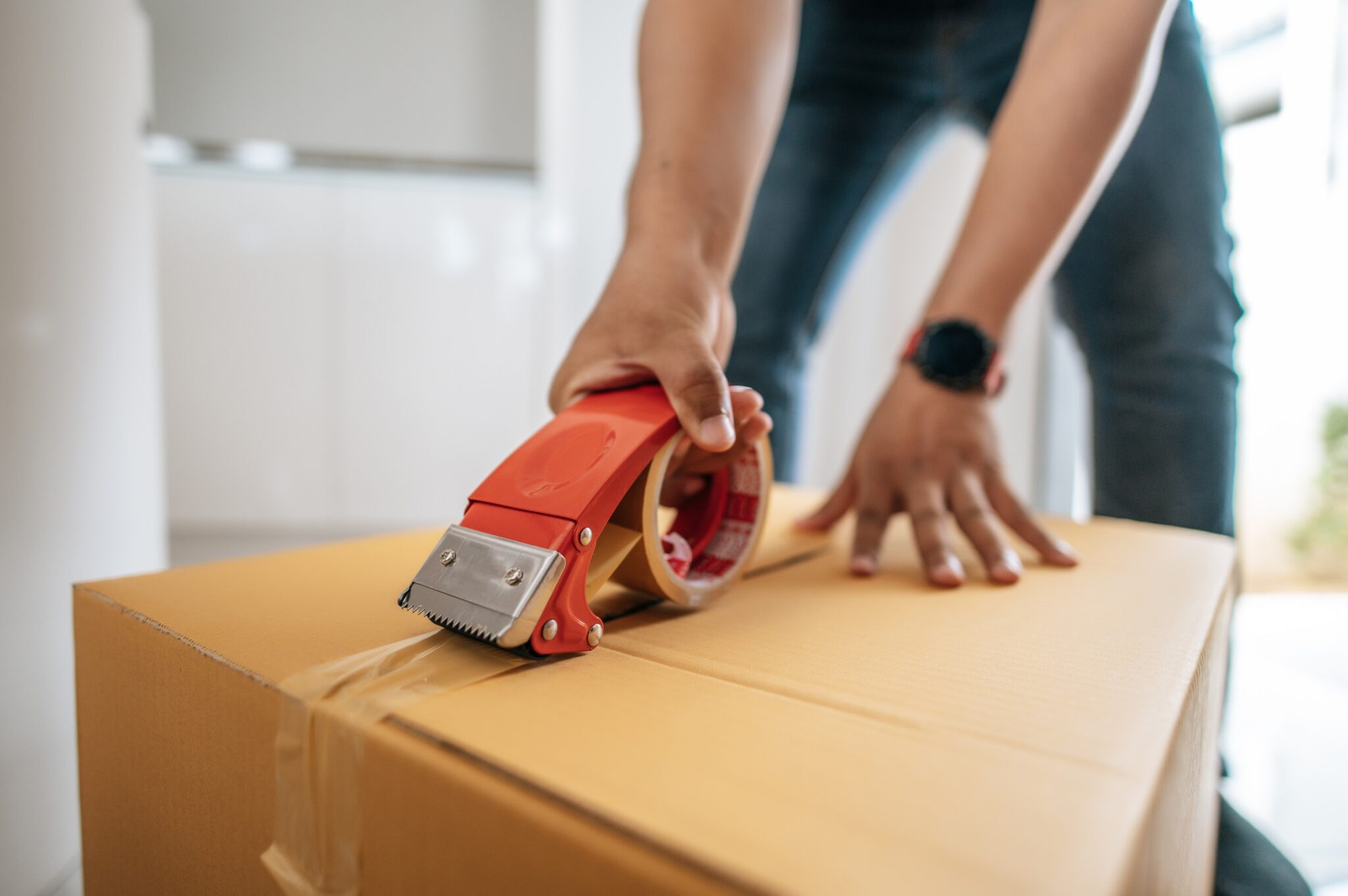
Fragile items break during moves when they are under-wrapped, packed in the wrong boxes, or placed where they can shift in transit. None of those problems is difficult to prevent with the right approach, and an experienced moving company that handles packing regularly has refined exactly these techniques through thousands of jobs. This covers the materials, methods, and box choices that protect your breakables from pickup to delivery.
Gather the Right Materials Before You Start
Packing fragile items with the wrong materials is the main reason they arrive broken. Before you begin, have dish pack boxes on hand since these have thicker walls than standard moving boxes. Small and medium boxes are better for heavier items, and you will need unprinted packing paper, bubble wrap for items that need extra cushioning, foam pouches or padding sheets, packing tape at least two inches wide, and permanent markers for labeling.
Do not use newspaper. The ink transfers to porous surfaces like dishware and ceramics, and unprinted packing paper does the same job without leaving any residue.
Wrap Each Item Individually
Every fragile item needs its own wrap. Nesting unwrapped items together, even with padding between them, is not enough protection against the vibration and movement of a truck in transit.
Start wrapping from one corner, roll the item diagonally, and tuck the ends in as you go. For items with handles or protruding parts, add an extra layer of wrap specifically to those points before boxing. Taking the extra minute on each piece is what separates items that arrive intact from ones that do not.
Box Selection Matters as Much as Wrapping
Use smaller boxes for heavier items like dishes since large boxes loaded with heavy items become difficult to handle safely and are more likely to fail. Use dish pack boxes for anything made of ceramic, porcelain, or glass. Do not reuse boxes that have been compressed or water-damaged since the structural integrity is compromised, even if they look usable.
Fill every box completely. A half-full box collapses under the weight of other boxes stacked on top, so fill any empty space with crumpled packing paper or foam before sealing.
How to Pack Dishes and Glassware
Pack dishes vertically on their edges inside a dish pack box, not flat. Dishes stacked flat put direct pressure on each other and crack more easily under load.
Glasses and stemware go in individual cells if you have a cell kit, or individually wrapped and standing upright. Wrap the base separately from the stem on stemware and place extra padding at both the top and bottom of the box before sealing. Line the bottom of every box with at least two to three inches of crumpled packing paper before placing any item inside.
How to Pack Artwork and Mirrors
Mirrors and framed artwork need corner protectors before wrapping. These are cardboard or foam pieces that fit over each corner and prevent the frame from cracking under impact.
Wrap the entire piece in packing paper first, then bubble wrap, and secure with tape. For large pieces, a mirror box made of two flat adjustable panels gives the best protection. Stand framed artwork and mirrors upright in the truck and never lay them flat.
How to Pack Electronics
Remove all cables, store them in labeled bags, and keep them in the same box as the device. Take photos of cable connections before unplugging anything so reassembly is straightforward at the other end.
Pack electronics in their original boxes with original foam inserts when possible. If those are not available, wrap each device in bubble wrap and pack snugly in a box sized close to the device. Electronics that shift inside a box absorb the impact directly, which is what causes most electronic damage during a move.
Label Every Box Clearly
Write “FRAGILE” on all four sides and the top of every box containing breakable items. Include a general description of the contents so the crew knows where to place them at the destination.
Boxes marked fragile also tell the crew to place them on top of stacks, never at the bottom, where the weight of other boxes bears down throughout transit.
When Professional Packing Makes Sense
Some items are difficult to pack safely without experience. High-value artwork, antiques, large mirrors, chandeliers, and specialty items like grandfather clocks or stained glass are better handled by a packing crew with the right materials and training.
Full-service packing is available as an add-on to any move in Virginia through Dunmar Moving Systems. Packing services are included with local movers in Richmond, and all materials are itemized in the estimate before work begins. Request a free estimate if you want packing included as part of your move.
Related Topics: