

How to Protect and Pack Chairs for Moving
Posted on: Friday, December 26th, 2025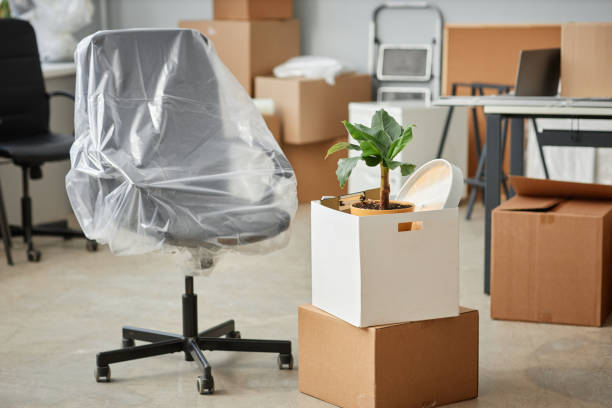
Chairs can be tricky to move because of their awkward shapes and fragile parts. A reliable moving company knows the right way to pack them, but you can do it yourself with the proper approach. This guide covers everything from prepping and disassembling to wrapping and loading your chairs safely. We’ll walk through each step so your furniture arrives at your new place without scratches or damage. Follow these tips to make the process easier and protect your chairs throughout the move.
Chair Preparation
Start by looking over each chair for any existing damage or loose parts before you pack anything. Check the legs for stability and make sure all screws and bolts are tight. Look for scratches, dents, or wear that might need extra attention during packing. Addressing any pre-existing issues now prevents further damage later. Remove any detachable parts, such as cushions or armrests, and pack them separately so nothing gets lost or broken. A quick inspection up front ensures each chair is ready for a safe move.
Gathering Packing Supplies
Before you start packing chairs, get all your supplies together in one spot. You’ll need sturdy moving boxes in different sizes to fit various chair shapes, packing tape, bubble wrap, packing paper, moving blankets, and furniture covers. Make sure the boxes can handle the weight of your chairs. Packing tape keeps the boxes sealed once the chairs are inside. Bubble wrap and packing paper cushion and protect the chairs during the trip. Moving blankets and furniture covers add another layer of defense against scratches. Having everything ready ahead of time speeds up the process.
Disassembling Chairs
Breaking down chairs before moving makes them easier to transport and less likely to get damaged. Start by finding any detachable parts, such as legs, arms, or cushions. Grab the right tools, screwdrivers, or Allen wrenches, and usually do the job, and carefully remove these pieces. Put all screws and bolts in a labeled plastic bag so you don’t lose them. If your chairs have upholstery, check whether the fabric can be removed for easier moving. Secure any loose parts to the main frame so nothing goes missing. Taking photos while you disassemble helps a lot when it’s time to put everything back together.
Wrapping and Cushioning
Proper wrapping keeps your chairs scratch-free and intact during the move. Start by wrapping each chair leg individually with bubble wrap or furniture pads to prevent dents and scratches. Then wrap the seat and backrest with moving blankets and secure them with packing tape. Pay extra attention to any delicate or sticking-out parts that need more padding. For chairs with wooden arms or detailed designs, foam tubing or cardboard gives extra protection. Finish by wrapping the chair in stretch wrap to keep everything locked in place during transit.
Loading and Securing Chairs
Once your chairs are wrapped, load them into the moving truck correctly to prevent shifting and damage. Place chairs seat-to-seat and back-to-back to save space. Use straps or ropes to hold them in place so they don’t move during the drive. For wooden chairs, add moving blankets or furniture pads for extra protection. Put heavier chairs at the bottom to keep things stable. If any chairs have fragile legs or arms, pad the vulnerable areas with bubble wrap or packing paper. Spread the weight evenly and don’t overload the truck. This prevents accidents and keeps your furniture safe.
Unpacking and Reassembly
When you unload chairs from the truck, carefully remove the straps or ropes first. Check each chair for any damage that happened during the move. Set the chairs in one area and arrange them by shape and size to make reassembly easier. Look at any notes or labels you made during packing to help you put things back together correctly. Grab your tools, screwdrivers, or Allen keys, and start reassembling. Attach the legs or base to the seat first and make sure they’re secure. Then add any other parts, such as armrests or backrests, following any manufacturer’s instructions you have.
Related Topics: