

How to Wrap a Sofa for Moving to Prevent Scratches and Stains
Posted on: Tuesday, November 25th, 2025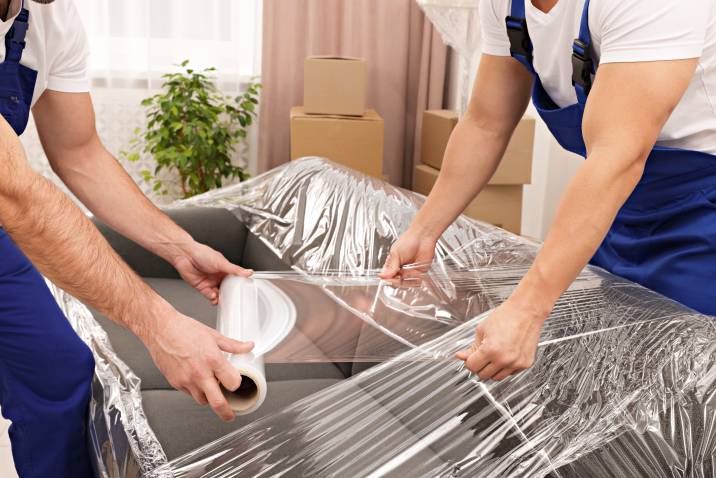
Moving a sofa requires careful planning to protect it from damage during transport. This guide walks you through the proper wrapping techniques that keep your furniture safe from scratches and stains. You’ll learn how to select the right materials, prepare your sofa, and apply protective layers correctly. Richmond’s expert moving team recommends following these proven steps for the best results. Each section covers a specific part of the process to help you move your sofa without worries.
Choosing the Right Wrapping Materials
Select high-quality furniture pads or moving blankets that are thick and durable for the best protection. These pads cushion your sofa against bumps and scratches during the move. Use heavy-duty tape to secure the pads in place so they don’t shift. Shrink wrap adds another layer of defense against dust, dirt, and moisture. This clear plastic film wraps tightly around the sofa, sealing everything in place. Investing in proper wrapping materials means your sofa arrives at your new home looking perfect.
Preparing the Sofa for Wrapping
Remove all cushions and pillows from the sofa before you start wrapping. Check the sofa for any loose parts or damage that needs fixing beforehand. Vacuum the entire surface to remove dust, crumbs, and debris that could scratch the fabric. For fabric sofas, spot clean any stains with an appropriate cleaner before wrapping. Leather sofas benefit from a conditioner application to keep the material moisturized and prevent cracking. Make sure the sofa is completely dry before wrapping to avoid trapping moisture that could cause mold growth.
Wrapping the Sofa in Layers
Cover the entire sofa with soft, breathable moving blankets to protect against scratches and minor damage. Make sure the blankets overlap so every part of the sofa is covered. Use shrink wrap to secure the blankets tightly to the sofa, creating a barrier that prevents shifting during transportation. Apply the shrink wrap evenly to avoid tears or loose sections that could come undone. You can add multiple layers of shrink wrap for delicate or valuable sofas. This layered approach keeps your sofa protected throughout the entire move.
Securing the Wrapping With Tape
Use heavy-duty packing tape to fasten the wrapping securely around the sofa. Start by taping the seams where the edges meet to create a strong foundation. Pull the tape tightly as you apply it to prevent any shifting or loosening of the protective layers. Apply tape along the sides and corners of the sofa to strengthen the wrapping and prevent unraveling. Use plenty of tape and place it strategically to keep everything intact during transport. Proper taping ensures the wrapping stays in place and shields your sofa from scratches and stains.
Additional Protection for Vulnerable Areas
Delicate areas like armrests and corners need extra padding for more cushioning and support. These spots take the most hits during a move and are easily damaged without proper protection. Wrap the armrests with extra padding and secure them with tape. For corners, use corner protectors or additional padding to absorb any impacts during transportation. Reinforcing these areas maintains the structural integrity of your sofa. Pay attention to these vulnerable spots to minimize the risk of scratches, dents, or tears. Thorough protection of all weak points leads to a damage-free move.
Labeling and Handling the Wrapped Sofa
Proper labeling and handling keep your move organized and prevent damage to your wrapped sofa.
- Label Clearly: Use color-coded labels or markers to show which room the sofa belongs in.
- Handle with Care: Lift the sofa from its sturdiest parts, like the frame or base, to protect the wrapping.
- Avoid Dragging: Never drag a wrapped sofa; it tears the protective layers and scratches floors.
Related Topics: